
Hygiene clean · Scale & polish · Perivale, Ealing

Hygiene Clean. Tartar and surface stains removed, gums checked.

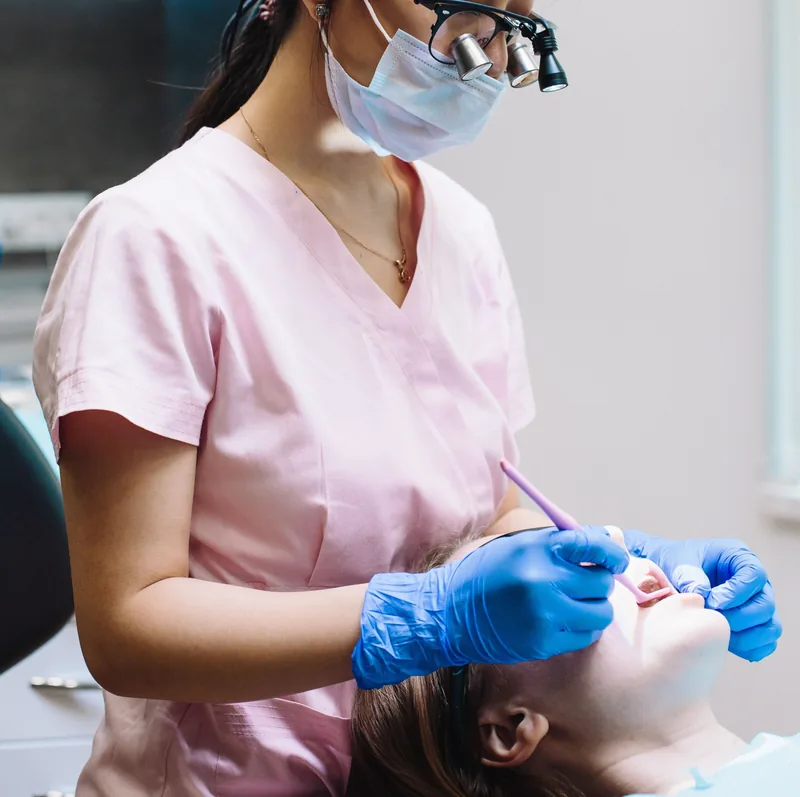
A thorough, unhurried professional clean that removes plaque, tartar and surface staining, checks the health of your gums, and leaves you with a home routine that actually works for your mouth. Carried out by Marisa Lennie, a GDC-registered Dental Hygienist & Therapist at Bilton Road Dental Practice.

Smiling woman with a bright, natural smile

Your routine clean, booked directly with a hygienist.

Marisa Lennie · GDC 252605

Bilton Road Dental Practice Book an appointment
Hygiene
Clean
£95 · 45 min
Extended
visit
£110 · 60 min

The short answer

What is a hygiene clean?

A hygiene clean, also known as a scale and polish or teeth clean, is a routine hygiene visit that removes plaque, tartar and surface staining from above the gumline, then polishes the teeth so they feel smooth and stay easier to clean at home.

“Scaling” is the removal of tartar (calculus), the hardened plaque that brushing can no longer shift. “Polishing” smooths the tooth surface and lifts light staining from tea, coffee, red wine and tobacco. It is the most common reason people see a hygienist, and for most adults with generally healthy gums it is all they need to keep them that way.

Every appointment starts with a gum health check. If that check shows signs of gum disease below the gumline, I’ll explain what I’ve found and recommend the right treatment instead, such as a deep clean, rather than carrying out a clean that won’t reach the problem.

Why brushing isn’t enough

Plaque you can brush away. Tartar you can’t.

A hygiene clean exists because of what plaque turns into. Here’s the difference, and why a hygienist is needed for one of them.

Soft · forms every day

Plaque

  • A sticky film that forms when bacteria in your mouth mix with saliva
  • Removed at home by brushing and cleaning between your teeth
  • Left in place along the gumline, it irritates the gums

Hard · stuck to the tooth

Tartar

  • Hardened plaque, also called calculus, often yellow or brown
  • Can’t be brushed or flossed away once it has set
  • Needs to be removed by a dentist or hygienist: that’s the “scale” in scale and polish, the older name for a hygiene clean

Source: HSE (Ireland’s health service): Causes of gum disease (opens in a new tab) and NHS (opens in a new tab).

Your appointment

What happens at a hygiene clean. Five stages, all explained.

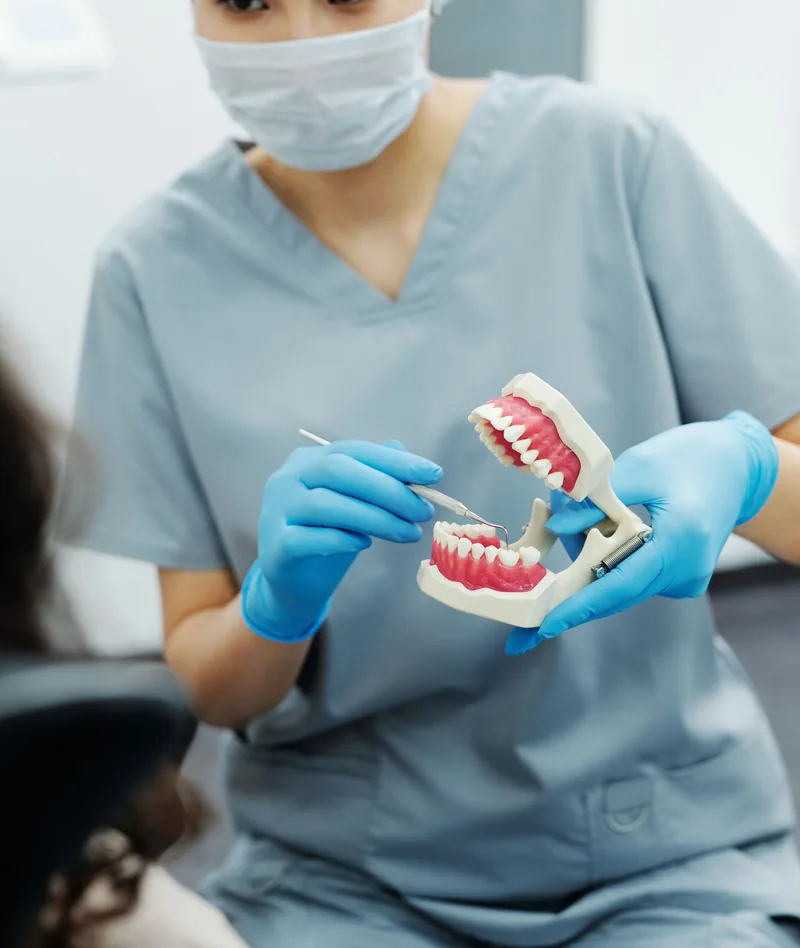
A hygiene clean follows the same five stages every time. Nothing happens without me telling you first, and you can ask me to pause at any point.

Book a Hygiene Clean

From the chair

Three things patients tell me before a hygiene session.

After years of hygiene appointments, the same few worries come up again and again. Here’s what I usually find, and what we do about it.

“I brush twice a day. Why do I still get tartar?”

Usually because of where it forms, not how often you brush. The most common spot I see is behind the lower front teeth, close to where saliva enters the mouth, and that’s exactly where a brush tends to skim past. I’ll show you the area with a mirror and angle the brush with you, so you can feel the difference before you leave.

Related: Plaque & tartar

“My gums bleed, so I’ve been brushing them less.”

It’s a very natural reaction, but bleeding is usually a sign of inflammation caused by plaque, and brushing less tends to let it build up further. We look at where the bleeding is, remove the deposits keeping the gums irritated, and start interdental cleaning gently. If the bleeding doesn’t settle, we look further, because it can also be an early sign of gum disease.

Related: Bleeding gums

“It’s been years. I’m embarrassed and a bit nervous.”

Please don’t be: I see it every week, and I’m not there to judge. For a first visit after a long gap, I often suggest the 60-minute extended appointment so there’s time to go slowly. We agree a signal so you can stop me at any moment, and I talk you through each step before I start it.

Related: Care for nervous patients

Choosing the right visit

Which hygiene appointment do I need?

Not sure? Book the standard visit. If your gum check shows you need something different, I’ll explain why before we change anything.

  • This page

    Hygiene Clean

    £9545 min

    A routine hygiene visit that removes plaque, tartar and surface staining from above the gumline, then polishes the teeth so they feel smooth and stay easier to clean at home.

    Best for

    Adults and teenagers with generally healthy gums who want to keep them that way, and anyone whose brushing leaves tartar behind between visits.

    Book this visit
  • Most booked

    Hygiene Clean (Extended)

    £11060 min

    The same hygiene treatment with a full hour of clinical time, so heavier tartar, stubborn staining and harder-to-reach areas are all dealt with thoroughly in one visit.

    Best for

    Anyone who has not seen a hygienist for a year or more, or who has visible tartar, tea, coffee or tobacco staining, crowded teeth, braces, bridges or implants.

    Book the extended visit
  • If gum disease is found

    Deep Clean (Root Surface Debridement)

    £130per quadrant · 60 min

    Treatment below the gumline when the gums have pulled away from the teeth and pockets have formed. A hygiene clean can’t reach that far.

    Best for

    When your assessment shows pockets deeper than 4 mm, which a routine clean can’t treat.

    About deep cleaning

Honest expectations

What a hygiene clean can, and can’t, do.

Knowing the limits matters as much as knowing the benefits. A hygiene clean is a preventive clean: it is very good at what it’s for, and I’ll always tell you if you need something else.

It can

  • Remove tartar above the gumline that brushing and flossing can’t shift
  • Lift surface staining from tea, coffee, red wine and tobacco
  • Help early gum inflammation settle, alongside good daily cleaning at home
  • Give us a record of your gum health to compare against at your next visit
  • Leave your teeth smoother, so they stay cleaner for longer

It can’t

  • Treat gum disease below the gumline: that needs a deep clean
  • Whiten teeth beyond their natural colour: whitening is a separate treatment a dentist must prescribe
  • Replace brushing twice a day and cleaning between your teeth
  • Fix decay or broken fillings, though I’ll check for them and point you to the right care

Does a hygiene clean hurt?

Anaesthetic is not usually needed, though numbing gel is available if you are sensitive. Gums can feel tender for a day and teeth briefly sensitive to cold; you can eat and drink straight away.

If your gums are inflamed, they may bleed a little during the clean. That settles quickly and is one of the reasons we’re removing the deposits.

Aftercare that keeps the result

  • Your teeth may feel smoother and slightly sensitive for a day or two, which is normal
  • Clean between your teeth every day with interdental brushes or floss
  • After an extended clean, avoid strongly coloured food, drink and tobacco for 24 hours so new staining does not settle straight back in
  • Use the brush sizes and technique we practised in the chair

Based on Delivering Better Oral Health (opens in a new tab) and NHS guidance (opens in a new tab).

How often should I have one?

  1. Every 3–4 monthsif you smoke, have crowded teeth or your gums bleed when you brush
  2. Every 6 monthsfor most people

There is no single right interval for everyone. NICE guidance (opens in a new tab) says the time between oral health reviews should be based on your own risk: between 3 and 24 months for adults, and no longer than 12 months for under-18s.

In Patients’ Words

“By far the most gentle but thorough.”

Read more patient reviews

“Great practice with an attentive and friendly team. I’ve been to several hygienists/therapists before and found Marisa to be by far the most gentle but thorough. Her assistant was also super friendly. I’ll be happy to have my treatment here again in the future and can genuinely recommend the practice to anyone.”

MR · Google Review

“A special thank you to Marisa, my hygienist. She is exceptionally professional, thorough, and gentle, always making me feel comfortable during my appointments. Her attention to detail and dedication to excellent care are truly appreciated.”

Greta Rimutė · Local Guide · Google Review

Hygiene clean FAQs

Common questions about a hygiene clean.

Can’t see your question? Email me or call 020 8997 0933.

How much does a hygiene clean cost?

A standard 45-minute hygiene clean is £95. The 60-minute extended visit, for heavier tartar or staining, is £110.

Is a hygiene clean the same as a scale and polish?

Yes. “Hygiene clean”, “teeth clean” and “scale and polish” usually mean the same routine appointment: plaque, tartar and surface staining are removed from above the gumline, then the teeth are polished. If your gum check shows signs of gum disease, you may need a deep clean instead, which treats the area beneath the gumline.

Do I need a referral from a dentist?

No. You can book a hygiene clean with me directly under the GDC’s direct access rules, with no need to see a dentist first. If I spot anything that needs a dentist, such as decay, I’ll tell you and refer you on.

Does a hygiene clean hurt?

Anaesthetic is not usually needed, though numbing gel is available if you are sensitive. Gums can feel tender for a day and teeth briefly sensitive to cold; you can eat and drink straight away.

How long does a hygiene clean take?

The standard appointment is 45 minutes. The extended appointment is 60 minutes, which allows extra time for heavier tartar, stubborn staining and harder-to-reach areas.

How often should I have a hygiene clean?

Every 6 months for most people; every 3–4 months if you smoke, have crowded teeth or your gums bleed when you brush. NICE guidance says the interval should be based on your own risk, between 3 and 24 months for adults.

Will a hygiene clean whiten my teeth?

It removes surface staining from things like tea, coffee, red wine and tobacco, so teeth often look brighter afterwards. It doesn’t change the natural shade of your teeth; that is tooth whitening, which is a separate treatment.

My teeth feel gappy after the clean. Is that normal?

Yes, especially after heavier tartar is removed. The spaces were already there; the tartar was filling them. Your tongue notices the difference for a few days, and keeping those spaces clean with interdental brushes helps the gums tighten up around them.

What’s the difference between a hygiene clean and a deep clean?

A hygiene clean works above the gumline and is preventive. A deep clean (root surface debridement) is a targeted, quadrant-by-quadrant clean beneath the gumline for diagnosed gum disease, usually with local anaesthetic, over a course of 2–4 appointments.

Marisa Lennie, Dental Hygienist & Therapist

Written & clinically reviewed by

Marisa Lennie

Dental Hygienist & Therapist · Dip DHDT (RCS England) · GDC 252605

Last reviewed

Marisa qualified through the Royal College of Surgeons of England, training clinically at King’s College Hospital, London, and is an Approved Education Supervisor for trainee hygienists & therapists. She has carried out routine hygiene care for patients since 2014.

Sources & guidance

  1. HSE (Ireland’s health service): Causes of gum disease Page reviewed October 2024
  2. NHS: Gum disease Page reviewed April 2026
  3. NICE CG19: Dental checks, intervals between oral health reviews 2004
  4. Delivering Better Oral Health: an evidence-based toolkit for prevention Department of Health & Social Care
  5. General Dental Council: Direct access

This page explains a routine hygiene clean. It isn’t a diagnosis. Gums that bleed every time you brush, a tooth that aches, or swelling in your gum or face should be checked, urgently in the case of swelling.

Book your hygiene clean directly with me.

Call the practice or send an email to book your appointment.

Bilton Road Dental Practice · 56 Bilton Rd, Perivale, Greenford, London, UB6 7DH

Hygiene clean in Perivale, Ealing (UB6), for patients from Greenford, Alperton, Sudbury, Hanwell and Northolt.

Please note

Before you continue

This website is currently under construction. While we try to keep everything accurate and up to date, some content, treatment details or information may be incomplete or out of date. Please contact the practice directly to confirm anything important before making decisions about your care.

Book an appointment

Send a request and I’ll get back to you by email or phone to arrange a time. Prefer to talk? Call the practice on 020 8997 0933.

Days and times that suit you are helpful. Please don’t include medical details; we’ll go through your health at the appointment.

Your details are used only to reply to you. Privacy and cookie policy (PDF, opens in a new tab)