
Brushing & interdental coaching · Perivale, Ealing

Oral Hygiene Instruction. A home routine that works for your mouth.

A practical, one-to-one session that turns “brush better” into something you can actually do: the right technique for your mouth, the right interdental brush sizes, and a routine that takes minutes, not effort.

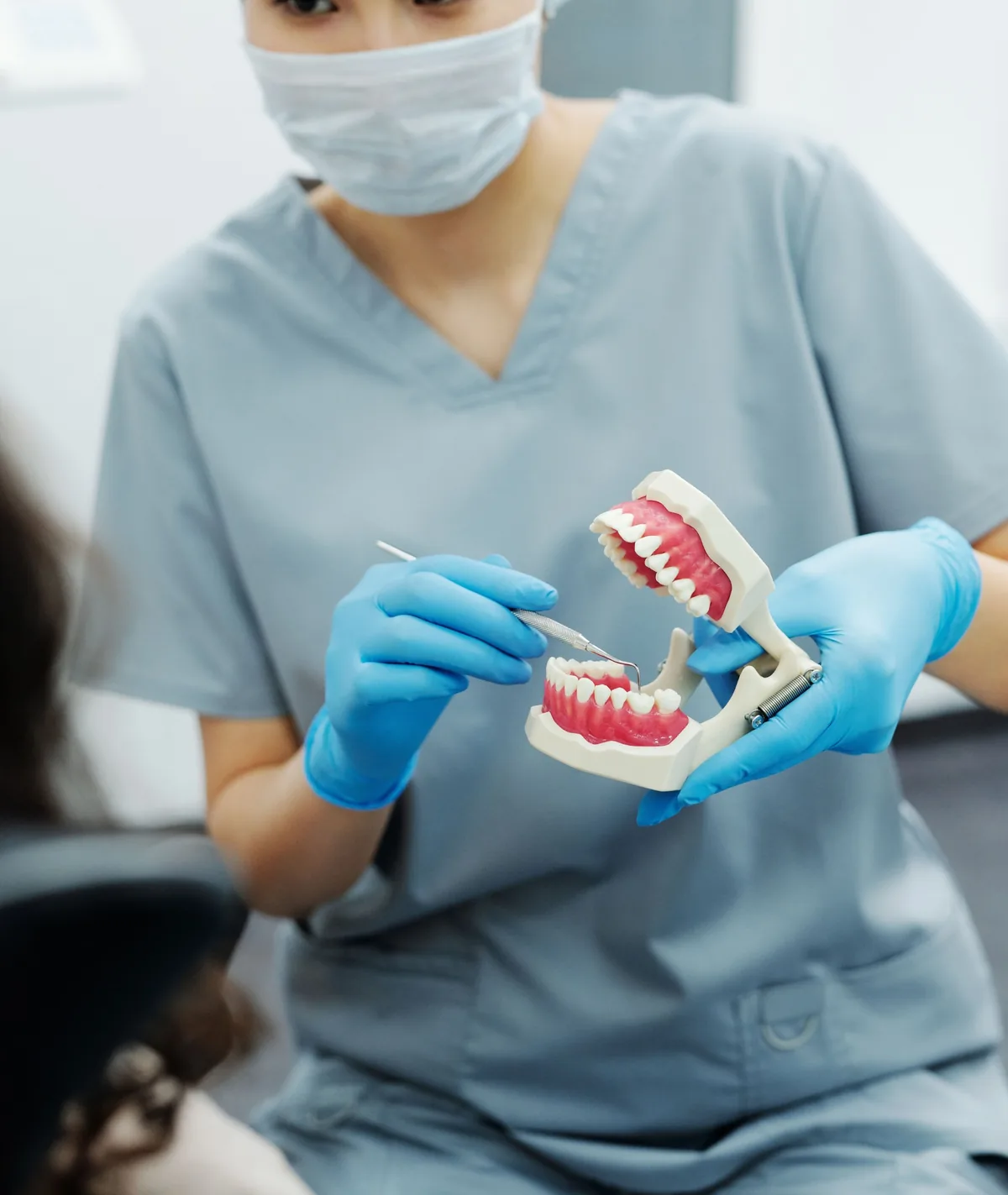
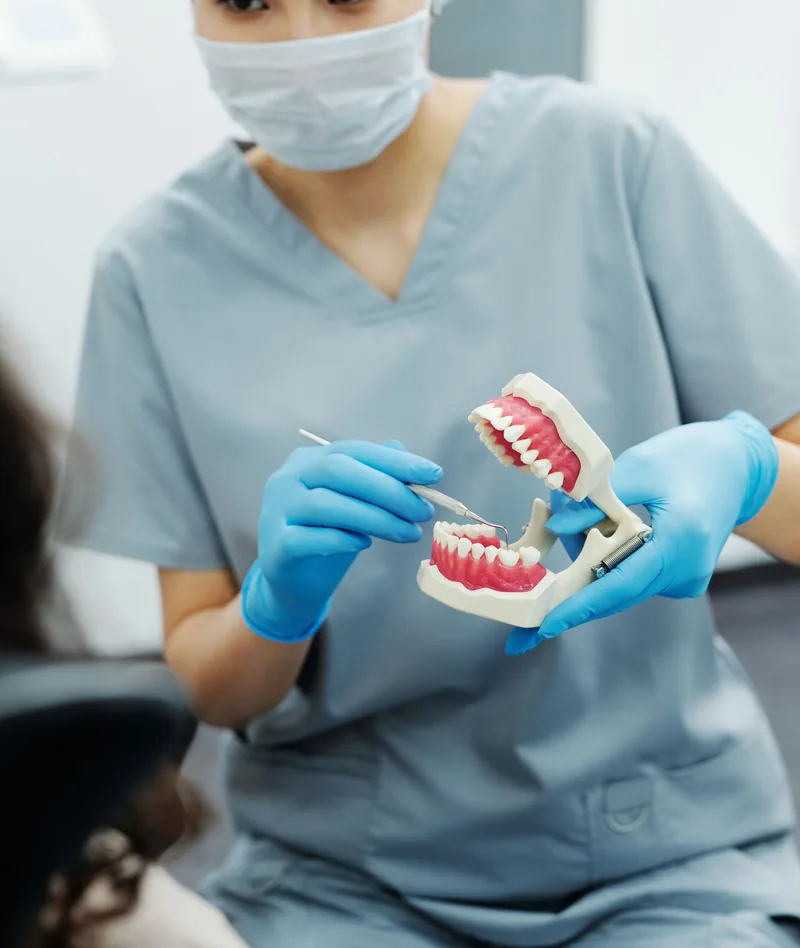
Dental hygienist using a model of the teeth to explain brushing technique

A home routine built around your mouth.

Marisa Lennie · GDC 252605

Bilton Road Dental Practice Book an appointment
Included in
every visit
Price on request
Hygiene
Clean
£95 · 45 min

The short answer

What is oral hygiene instruction?

Oral hygiene instruction is personalised, hands-on coaching in how to clean your own teeth and gums effectively: brushing technique, cleaning between the teeth, and choosing products that suit your mouth.

Professional cleaning removes what has built up, but what happens at home every day decides whether gums stay healthy. National guidance on preventing gum disease puts effective daily plaque removal, brushing and cleaning between the teeth, at the centre of care.

Coaching is part of every appointment I carry out, from a hygiene clean to gum disease treatment. If you’d like more time to focus on it, tell me when you book and we’ll plan the visit around it.

Your home toolkit

Four tools, and when to use each one.

Most people only need four things. The skill is in using the right size, at the right angle, every day.

  • 2 minbrushing
  • 2×a day
  • 1×between the teeth
  • Toothbrush

    Manual or electric. Angle the bristles towards the gumline and move slowly, a tooth or two at a time.

  • Interdental brushes

    Sized to each gap. Most mouths need two or three different sizes, which we measure together.

  • Floss or tape

    For gaps too tight for the smallest interdental brush, curved around each tooth.

  • Fluoride toothpaste

    1,350 to 1,500 ppm for adults. Spit out after brushing rather than rinsing, so the fluoride keeps working.

Source: Delivering Better Oral Health, chapter 2 (opens in a new tab) and Delivering Better Oral Health (opens in a new tab).

Your appointment

How a coaching session works. Hands-on, not a lecture.

We work from what I can see in your mouth rather than a generic leaflet, and you practise each technique before you leave.

Book a hygiene session

From the chair

What I hear most when we talk about home care.

Nobody enjoys being told they’re brushing wrong, and that isn’t what these sessions are for. The changes we make are small and practical.

“I use an electric toothbrush, so I must be doing it right.”

An electric brush helps, and the research backs it up, but it still needs to be held at the right angle and moved slowly around each tooth. The most common thing I see is the brush moving too fast and skipping the gumline, especially on the inside surfaces.

Related: Plaque & tartar

“Interdental brushes make my gums bleed, so I stopped.”

Bleeding at first is usually a sign the gums are inflamed, not that the brush is wrong, and it tends to settle as the gums get healthier with daily cleaning. I’ll check the sizes, because a brush that’s too big or too small is another common reason people give up.

Related: Bleeding gums

“I don’t have time for a long routine.”

You don’t need one. Two minutes of brushing twice a day, plus cleaning between your teeth once a day, is the routine for most people. We’ll make it fit around your day rather than the other way round.

Related: Bad breath

Choosing the right visit

Which appointment includes coaching?

Every hygiene visit includes personalised coaching. Choose the visit that fits the rest of what your mouth needs.

  • Most popular

    Hygiene Clean

    £9545 min

    A 45-minute clean with coaching built in: we look at where plaque is collecting and practise the technique that fixes it.

    Best for

    Anyone who wants their routine checked while their teeth are professionally cleaned.

    Book this visit
  • More time

    Hygiene Clean (Extended)

    £11060 min

    A full hour, so there’s time for a thorough clean and a longer, unhurried coaching session.

    Best for

    People new to interdental brushes, or with braces, bridges or implants to clean around.

    About Hygiene Clean
  • After gum treatment

    Periodontal Maintenance

    £9545 min

    Ongoing care after gum treatment, where home cleaning is checked against your gum readings every visit.

    Best for

    Anyone who has had gum disease treatment and needs their technique to keep pockets stable.

    About Periodontal Maintenance

The evidence

Electric or manual toothbrush?

It’s the question I’m asked most. A large Cochrane review compared the two, and the answer is useful but practical.

Source: Cochrane review (opens in a new tab).

  1. What the research found

    The 2014 Cochrane review found powered toothbrushes reduced plaque by about 11% after one to three months and 21% after more than three months, and gingivitis by about 6% and 11%, compared with manual brushes.

  2. What that means for you

    An electric brush can make good cleaning easier, but technique still matters. A manual brush used well is far better than an electric brush used quickly.

  3. What matters most

    Brushing twice a day with a fluoride toothpaste and cleaning between your teeth every day. We’ll fit whichever brush you have into that routine.

Honest expectations

What coaching can, and can’t, do.

Good technique is the foundation of healthy gums, but it works alongside professional care rather than replacing it.

It can

  • Show you exactly where plaque is collecting in your mouth
  • Find the right interdental brush sizes for each gap
  • Help bleeding gums settle, alongside regular professional cleaning
  • Make your routine quicker and more effective

It can’t

  • Remove hardened tartar: that needs professional scaling
  • Treat gum disease below the gumline on its own: that needs a deep clean
  • Replace regular check-ups and hygiene visits
  • Work without the daily habit, which is the part only you can do

Is it a lecture?

Not at all. It’s a practical, judgement-free conversation, and you do most of the trying. Plenty of people haven’t been shown how to use interdental brushes before, and that’s completely normal.

If anything feels uncomfortable, such as an interdental brush that’s too big, we change it there and then.

Aftercare that keeps the result

  • Brush for two minutes, twice a day, last thing at night and one other time
  • Spit out the toothpaste and don’t rinse with water
  • Use the interdental brush sizes we chose, once a day, before bed
  • Replace your brush or brush head every three months, or sooner if the bristles splay

Routine based on Delivering Better Oral Health (opens in a new tab) and NHS (opens in a new tab).

When should I have it?

  1. At every hygiene visitcoaching is part of each appointment
  2. Extra timeif your gums bleed, you’ve had gum treatment or you’re new to interdental cleaning

Your interval between visits is based on your own risk, in line with NICE guidance.

Oral Hygiene Instruction FAQs

What patients ask about oral hygiene coaching.

Can’t see your question? Email me or call 020 8997 0933.

How much does oral hygiene instruction cost?

Coaching is included in every hygiene appointment, such as a 45-minute hygiene clean at £95. If you’d like a longer session focused on technique, ask when you book.

Is an electric toothbrush better than a manual one?

A 2014 Cochrane review found powered brushes reduced plaque and gingivitis more than manual brushes. Technique still matters, so I’ll show you how to use whichever brush you have.

Do I need interdental brushes if I floss?

Floss works well for very tight gaps. Where the gaps are larger, interdental brushes usually clean more effectively. Many people use both, and I’ll show you which suits each area.

Why do my gums bleed when I clean between my teeth?

Bleeding is usually a sign of inflammation caused by plaque. It often settles as the gums get healthier with daily cleaning. If it doesn’t, we look further, because it can be an early sign of gum disease.

Should I use mouthwash?

Mouthwash isn’t a substitute for brushing and cleaning between your teeth. If you use one, use it at a different time from brushing, so you don’t rinse away the fluoride from your toothpaste.

Do I need a referral from a dentist?

No. Coaching is part of every hygiene appointment, and you can book one with me directly under GDC direct access, without seeing a dentist first.

Marisa Lennie, Dental Hygienist & Therapist

Written & clinically reviewed by

Marisa Lennie

Dental Hygienist & Therapist · Dip DHDT (RCS England) · GDC 252605

Last reviewed

Marisa qualified through the Royal College of Surgeons of England, training clinically at King’s College Hospital, London, and is an Approved Education Supervisor for trainee hygienists & therapists. Teaching patients how to clean their own teeth is part of every appointment Marisa carries out, and as an Approved Education Supervisor she also teaches trainee hygienists and therapists.

Sources & guidance

  1. Delivering Better Oral Health, chapter 2: summary guidance tables for dental teams Updated September 2025
  2. Delivering Better Oral Health: an evidence-based toolkit for prevention Department of Health & Social Care
  3. Cochrane review: Powered versus manual toothbrushing for oral health 2014
  4. NHS: Gum disease Page reviewed April 2026
  5. NICE CG19: Dental checks, intervals between oral health reviews 2004
  6. General Dental Council: Direct access

This page gives general advice on cleaning your teeth. Your own routine depends on your mouth, so it’s best set at an appointment. Gums that bleed for more than a couple of weeks despite good cleaning should be checked.

Leave with a routine that fits your day.

Call the practice or send an email to book your appointment.

Bilton Road Dental Practice · 56 Bilton Rd, Perivale, Greenford, London, UB6 7DH

Hygiene coaching in Perivale, Ealing (UB6), close to Greenford, Alperton, Sudbury, Hanwell and Northolt.

Please note

Before you continue

This website is currently under construction. While we try to keep everything accurate and up to date, some content, treatment details or information may be incomplete or out of date. Please contact the practice directly to confirm anything important before making decisions about your care.

Book an appointment

Send a request and I’ll get back to you by email or phone to arrange a time. Prefer to talk? Call the practice on 020 8997 0933.

Days and times that suit you are helpful. Please don’t include medical details; we’ll go through your health at the appointment.

Your details are used only to reply to you. Privacy and cookie policy (PDF, opens in a new tab)