

Dental therapy · Tooth decay · Perivale, Ealing

Fillings. Repairing decay, with every step explained first.

Gentle, unhurried fillings that repair teeth affected by decay, with every step explained before it starts and advice to stop the decay coming back.

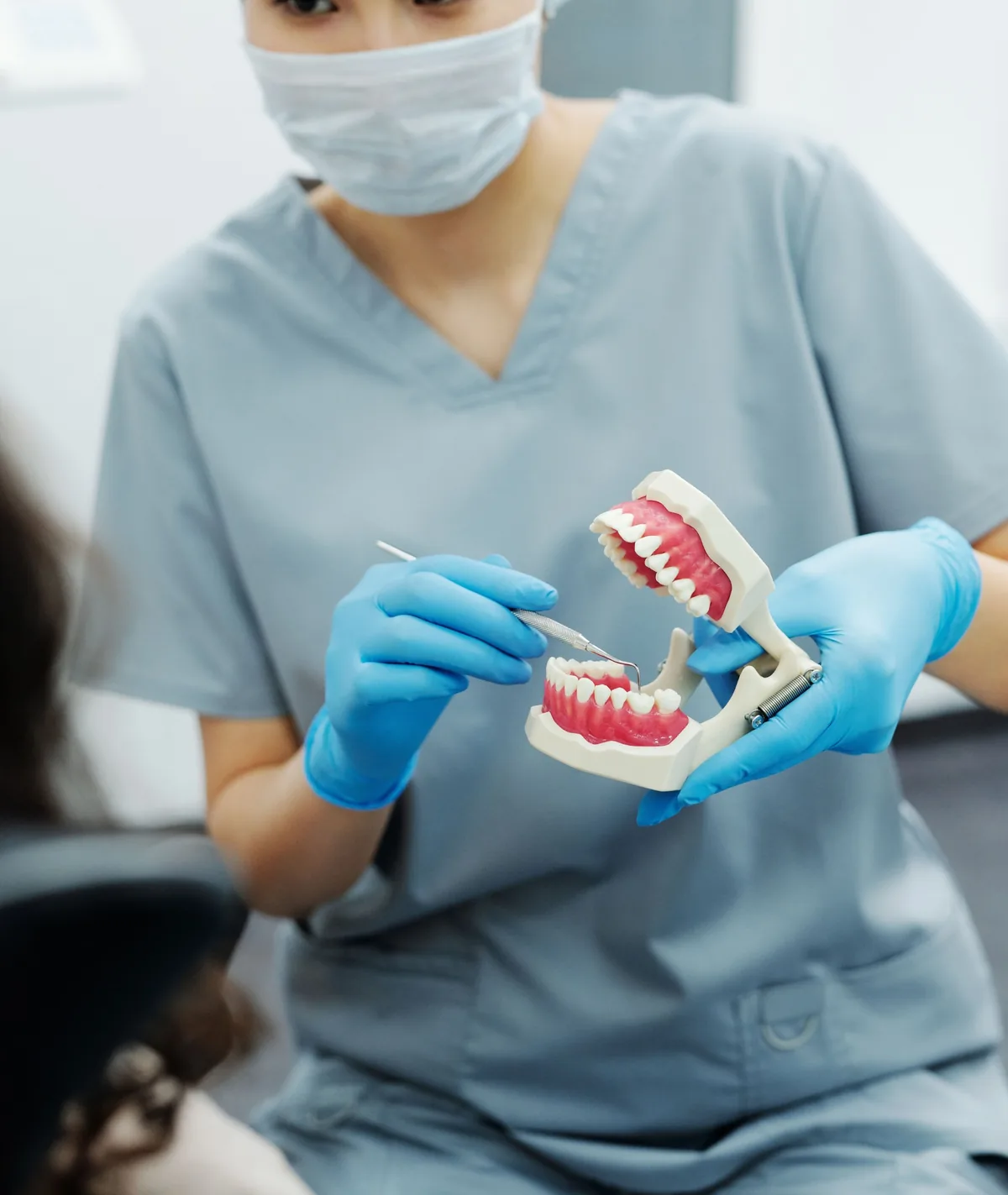
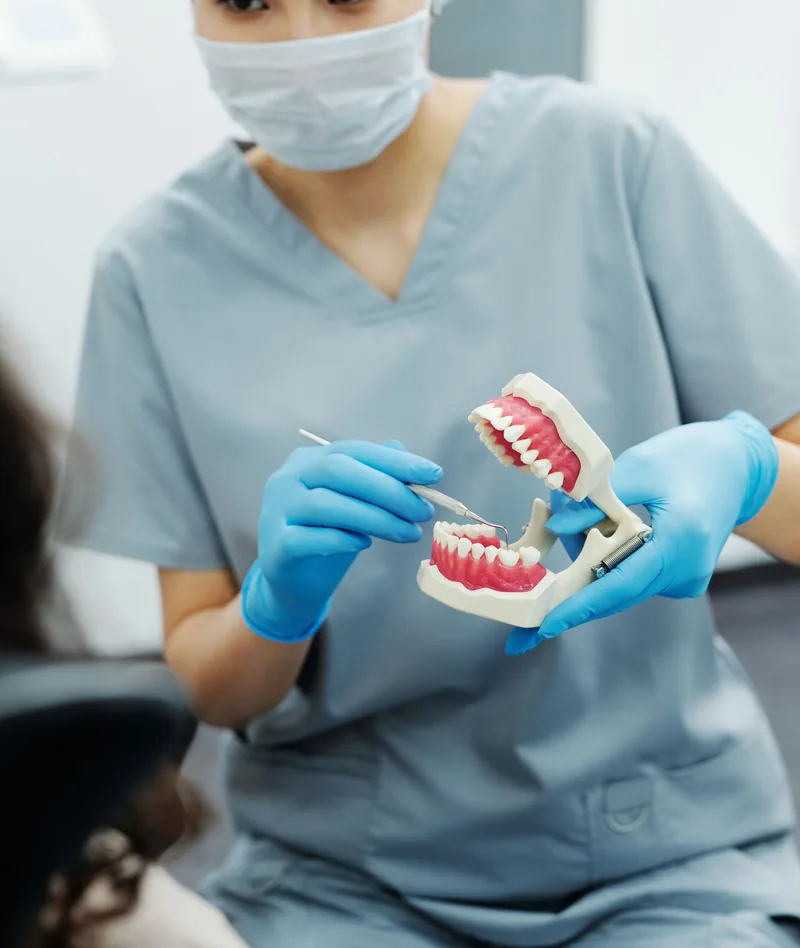
Dental therapist explaining treatment using a model of the teeth

Decay repaired gently, with every step explained.

Marisa Lennie · GDC 252605

Bilton Road Dental Practice Book an appointment
Fillings
Price on request
General
check-up
£95 · 45 min

The short answer

What is a filling?

A filling repairs a tooth that has been damaged by decay. The decayed part of the tooth is removed and the space is filled with a material that restores the tooth’s shape and function.

Placing fillings is part of a dental therapist’s scope of practice set by the General Dental Council, for both adult and children’s teeth. At Bilton Road Dental Practice, your filling is planned following an examination, and I’ll explain whether you need to see the dentist first.

Repairing the tooth is only half of the job. We’ll also look at why the decay happened, from diet to brushing to fluoride, so the same tooth, or the next one, is less likely to need treatment.

Signs of decay

How tooth decay shows itself, and what fixes it.

Decay often causes no symptoms at first, which is why it’s usually found at a check-up. These are the signs to look out for.

Signs to look out for

  • Toothache
  • Pain when eating or drinking something hot, cold or sweet
  • White, brown or black marks on a tooth
  • A hole (cavity) in a tooth

See a dentist as soon as possible if you think you or your child has tooth decay.

What fixes it, as decay progresses

  1. Early decayFluoride varnish or mouthwash can help reverse it
  2. A cavityA filling repairs the tooth
  3. Decay reaches the nerveRoot canal treatment may be needed
  4. Severe decayThe tooth may need to be removed

Source: NHS (opens in a new tab).

Your appointment

What happens during a filling. Numb first, then repair.

Once the tooth is numb, the decay is removed and the tooth is repaired and polished. You’re told what’s happening at each stage.

Ask about fillings

From the chair

What patients ask me before a filling.

Fillings are one of the most common dental treatments, and it’s still completely normal to feel uneasy about having one.

“Will I feel the injection?”

Most people feel a brief pinch and then the area goes numb. I go slowly, explain each step before I start it, and you can ask me to pause at any time. If you’re nervous, tell me when you book and we’ll allow more time.

Related: Care for nervous patients

“The tooth doesn’t hurt. Does it really need a filling?”

Decay often doesn’t hurt until it’s quite deep, which is why treating it earlier is usually simpler. I’ll show you what I can see and explain why it needs repairing, and you’re always free to ask questions before deciding.

Related: Tooth decay

“Why do I keep needing fillings?”

That’s the question that matters most, and it usually comes down to a few things: how often sugar is in the mouth, how plaque is cleaned away, and fluoride. We’ll look at all three, so the cycle stops.

Related: Sensitive teeth

Choosing the right visit

Preventing decay as well as treating it.

Fillings repair the damage; these visits help stop it happening again.

  • This page

    Fillings

    On requestConfirmed when you book

    Repairing a tooth that has been damaged by decay, under local anaesthetic, with prevention advice to stop it coming back.

    Best for

    Teeth with decay found at an examination, in adults and children.

    Book this visit
  • Full review

    General Hygiene Check-Up

    £9545 min

    A full examination of teeth and gums, which is where most decay is first picked up.

    Best for

    Anyone who thinks they may have decay, a sensitive tooth or a dark mark, and wants it looked at.

    About General Hygiene Check-Up
  • Children

    Children’s Hygiene & Fluoride Varnish

    £9545 min

    Prevention for children, including fluoride varnish, which helps protect teeth from further decay.

    Best for

    Children aged 3 to 16, especially those who have already had fillings.

    About Children’s Hygiene & Fluoride Varnish

Honest expectations

What a filling can, and can’t, do.

A filling is a reliable repair, but it works best as part of a plan to prevent further decay.

It can

  • Repair a tooth damaged by decay and restore its shape
  • Stop decay in that area from getting worse
  • Reduce sensitivity caused by a cavity
  • Help you chew comfortably again

It can’t

  • Prevent decay in other teeth on its own
  • Last forever: fillings can wear and may need replacing over time
  • Fix a tooth that needs a crown, root canal treatment or extraction, which the dentist provides
  • Replace good brushing, less frequent sugar and fluoride

Does a filling hurt?

The tooth is numbed with local anaesthetic, so you should feel pressure and vibration rather than pain.

The numbness wears off over a few hours. The tooth may be a little sensitive to hot and cold for a short time afterwards.

Aftercare that keeps the result

  • Wait until the numbness wears off before eating or hot drinks, so you don’t bite your lip or cheek
  • Expect a little sensitivity to hot and cold for a few days
  • Keep sugary food and drinks to mealtimes
  • Tell me if your bite feels high or the sensitivity doesn’t settle

Prevention advice from Delivering Better Oral Health (opens in a new tab).

How long do fillings last?

  1. Many yearswith good care, though they can wear over time
  2. Checked at every visitso any problems are found early

Regular check-ups, at intervals based on your own risk, help spot worn fillings and new decay early.

Fillings FAQs

Common questions about fillings.

Can’t see your question? Email me or call 020 8997 0933.

How much does a filling cost?

The price depends on the size and position of the filling and is confirmed after your examination, before any treatment starts.

Can a dental therapist do fillings?

Yes. Placing fillings on adult and children’s teeth is part of a dental therapist’s scope of practice, set by the General Dental Council.

Do I need to see a dentist first?

Your filling is planned following an examination. I’ll explain whether you need to see the dentist first, for example if X-rays or a different treatment might be needed.

Does getting a filling hurt?

The tooth is numbed with local anaesthetic, so you should feel pressure rather than pain. It may be a little sensitive to hot and cold for a short time afterwards.

How long does a filling last?

With good care, fillings can last many years, but they can wear over time and may need replacing. They’re checked at every visit.

Can I eat after a filling?

Wait until the numbness wears off before eating or having hot drinks, so you don’t bite your lip or cheek.

Marisa Lennie, Dental Hygienist & Therapist

Written & clinically reviewed by

Marisa Lennie

Dental Hygienist & Therapist · Dip DHDT (RCS England) · GDC 252605

Last reviewed

Marisa qualified through the Royal College of Surgeons of England, training clinically at King’s College Hospital, London, and is an Approved Education Supervisor for trainee hygienists & therapists. Placing fillings is within the GDC scope of practice for dental therapists. Marisa is registered as both a dental hygienist and a dental therapist.

Sources & guidance

  1. NHS: Tooth decay Page reviewed August 2025
  2. GDC Scope of Practice: Dental Hygienists and Dental Therapists Published copy hosted by NHS England (Thames Valley)
  3. Delivering Better Oral Health: an evidence-based toolkit for prevention Department of Health & Social Care
  4. General Dental Council: Direct access

This page explains fillings in general. It isn’t a diagnosis. See a dentist as soon as possible if you think you have tooth decay, and urgently if you have swelling around a tooth or in your face.

Ask about a filling appointment.

Call the practice or send an email to book your appointment.

Bilton Road Dental Practice · 56 Bilton Rd, Perivale, Greenford, London, UB6 7DH

Fillings at Bilton Road Dental Practice in Perivale (UB6), near Greenford, Alperton, Sudbury, Hanwell and Northolt.

Please note

Before you continue

This website is currently under construction. While we try to keep everything accurate and up to date, some content, treatment details or information may be incomplete or out of date. Please contact the practice directly to confirm anything important before making decisions about your care.

Book an appointment

Send a request and I’ll get back to you by email or phone to arrange a time. Prefer to talk? Call the practice on 020 8997 0933.

Days and times that suit you are helpful. Please don’t include medical details; we’ll go through your health at the appointment.

Your details are used only to reply to you. Privacy and cookie policy (PDF, opens in a new tab)