
Gingivitis & periodontitis · Perivale, Ealing

Gum Disease Treatment. Assessment, deep cleaning and ongoing care.

A clear, step-by-step plan for bleeding, swollen or receding gums: an accurate diagnosis, treatment matched to what’s actually happening below the gumline, and long-term care to keep your gums stable.

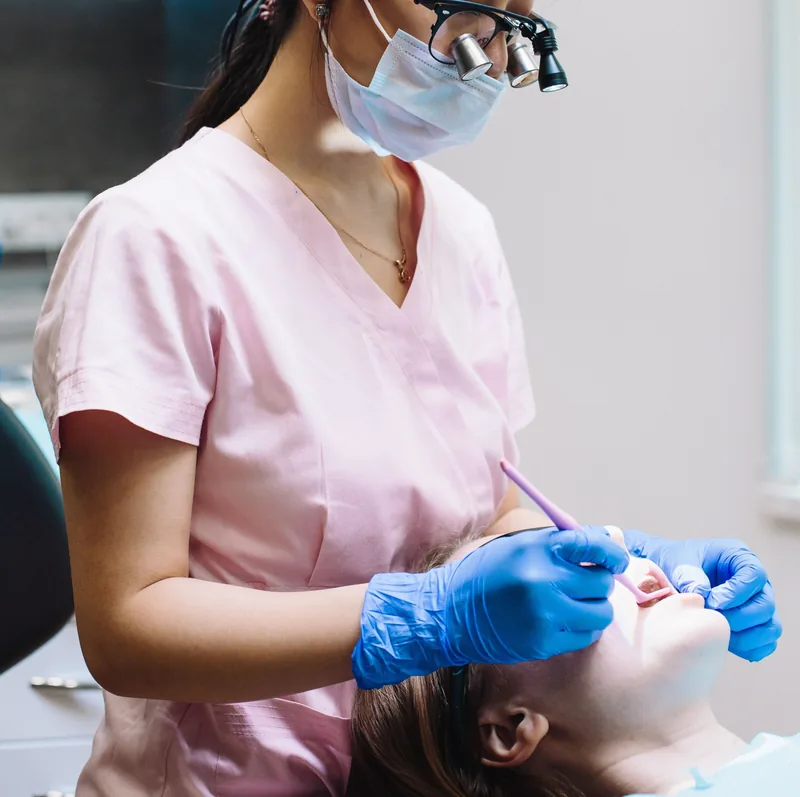
Dental hygienist examining a patient’s gums

Bleeding gums assessed, without a referral.

Marisa Lennie · GDC 252605

Bilton Road Dental Practice Book an appointment
Deep clean,
per quadrant
£130 · 60 min
Periodontal
maintenance
£95 · 45 min

The short answer

What is gum disease, and how is it treated?

Gum disease is inflammation of the gums caused by a build-up of plaque. In its early stage (gingivitis), the gums may bleed and look swollen. If it progresses to periodontitis, the tissue and bone that support the teeth can be damaged.

Common signs include gums that bleed when you brush or floss, swollen or sore gums, bad breath, and gums that shrink back from the teeth. Smoking and diabetes increase the risk. Early gum disease can usually be managed with professional cleaning and better daily cleaning at home; more advanced gum disease needs cleaning below the gumline.

Treatment follows an internationally recognised, step-by-step approach, explained below. It starts with the foundations, then targets the areas that need more, and finishes with long-term maintenance to keep your gums stable.

From healthy to periodontitis

How gum disease progresses.

Gum disease is caused by plaque building up along the gumline. Caught early it’s reversible; left alone, it can damage the bone that holds teeth in place.

  1. Healthy gums

    Pink and firm, no bleeding when you brush or clean between your teeth.

    Keep it that way with daily cleaning and regular check-ups.

  2. Gingivitis

    Red, swollen or sore gums that bleed when you brush, floss or eat hard foods.

    Reversible: better cleaning at home and a professional clean usually settle it.

  3. Periodontitis

    Bad breath, shrinking gums, deeper pockets, and in time loose teeth.

    Bone loss can’t be reversed, but treatment can stop it progressing.

Get an urgent dental appointment for very sore and swollen gums, loose or falling-out teeth, or a lump, ulcer or red patch in your mouth. If you can’t get one, call 111.

Source: NHS (opens in a new tab) and HSE (Ireland’s health service) (opens in a new tab).

Your appointment

How gum treatment is planned. One stage at a time.

Gum treatment is a plan rather than a single appointment. Every stage is explained before it starts.

Book a gum assessment

From the chair

What patients tell me when they hear “gum disease”.

Hearing “gum disease” can be worrying, so I try to explain early on what it means and what we can do about it.

“Will I lose my teeth?”

That’s the first fear for most people. Gum disease can be brought under control with the right treatment and good care at home, and the earlier it’s treated the better. I’ll show you your readings so you can see exactly where things stand, and we’ll make a plan together.

Related: Early gum disease

“My gums don’t hurt, so is it really that serious?”

Gum disease often isn’t painful, which is why it can go unnoticed. Bleeding when you brush is the most common early sign. The pocket measurements tell us what’s happening below the gumline, where you can’t see or feel it.

Related: Bleeding gums

“I smoke. Does that make a difference?”

Yes, it’s one of the biggest risk factors for gum disease, and it can also mask bleeding, so the gums can look healthier than they are. I won’t lecture you, but I’ll explain how it affects your gums and point you to support if you’d like to stop.

Related: Bad breath

Choosing the right visit

Which treatment do I need?

Not sure? Book an assessment. Your pocket readings decide the right treatment, and I’ll explain them before anything starts.

  • Healthy or early

    Hygiene Clean

    £9545 min

    Routine cleaning above the gumline for gingivitis, where the gums are inflamed but no deep pockets have formed.

    Best for

    Bleeding gums with healthy pocket depths, picked up early.

    About Hygiene Clean
  • Periodontitis

    Deep Clean (Root Surface Debridement)

    £130per quadrant · 60 min

    Cleaning of the root surfaces below the gumline, under local anaesthetic, for periodontitis with pockets deeper than 4 mm.

    Best for

    Gum disease confirmed at your assessment, treated one quadrant at a time.

    Book this visit
  • After treatment

    Periodontal Maintenance

    £9545 min

    Regular supportive care once treatment has settled your gums, so they stay that way.

    Best for

    Anyone who has completed deep cleaning and reached stable readings.

    About Periodontal Maintenance

Periodontal therapy

The four steps of periodontal therapy.

UK guidance on treating periodontitis, from the British Society of Periodontology, describes four steps. Your plan follows the same structure.

Source: SDCEP (opens in a new tab) and British Society of Periodontology (opens in a new tab).

  1. Step 1 · Foundations

    Explaining your diagnosis, coaching brushing and interdental cleaning, reducing risk factors such as smoking and diabetes, and professional cleaning above and below the gumline.

  2. Step 2 · Cleaning below the gumline

    Targeted cleaning of the root surfaces in deeper pockets, usually under local anaesthetic, with ongoing support for home care.

  3. Step 3 · Areas not responding

    Any deep pockets that haven’t healed are treated again, or referred to a specialist where that’s the better option.

  4. Step 4 · Maintenance

    Regular supportive care to keep gums stable and catch early signs of change, with intervals based on your gum health and risk.

Honest expectations

The honest limits of gum treatment.

Gum treatment is very effective when it’s followed through. Being honest about its limits helps you get the most from it.

It can

  • Bring gum disease under control and reduce bleeding and swelling
  • Help gum tissue heal and pockets reduce
  • Lower the risk of further damage to the bone that supports your teeth
  • Give you clear measurements to track over time

It can’t

  • Regrow bone that has already been lost
  • Keep gums stable without good daily cleaning at home
  • Work as well if risk factors like smoking continue
  • Replace specialist care for very advanced cases, though I’ll refer you on if needed

Is gum treatment painful?

Cleaning below the gumline is carried out with local anaesthetic, so treatment stays comfortable throughout.

Expect tenderness and sensitivity for a few days, and gums that look slightly shrunken as swelling settles, which is a sign of healing. Lukewarm salt-water rinses help.

Aftercare that keeps the result

  • Lukewarm salt-water rinses help for the first few days
  • Keep cleaning between your teeth gently, even if it bleeds at first
  • Stopping smoking makes treatment work better, so ask about support if you smoke
  • Day-to-day plaque control at home is what decides the final result

Aftercare drawn from SDCEP (opens in a new tab) and NHS (opens in a new tab).

How long does treatment take?

  1. 2–4 appointmentsfor cleaning below the gumline
  2. Review at 8–12 weeksto measure how the gums have responded

After active treatment, maintenance is usually every 3 months at first. See the NHS for urgent symptoms such as very swollen gums or loose teeth.

Gum Disease Treatment FAQs

Common questions about gum disease treatment.

Can’t see your question? Email me or call 020 8997 0933.

What are the signs of gum disease?

Bleeding gums when brushing or flossing, swollen or sore gums, bad breath and gums that shrink back from the teeth. In more advanced gum disease, teeth can become loose.

Can gum disease be cured?

Early gum disease (gingivitis) usually settles with professional cleaning and good daily cleaning at home. Periodontitis can be brought under control and kept stable with treatment and regular maintenance, but bone that has been lost does not grow back.

How much does gum disease treatment cost?

A deep clean (root surface debridement) is £130 per quadrant, 60 minutes per quadrant. Periodontal maintenance afterwards is £95 per 45-minute visit.

How many appointments will I need?

A course of 2–4 appointments, then a review at 8–12 weeks to measure how the gums have responded.

What is periodontal therapy?

Periodontal therapy is the treatment of gum disease. In the UK it follows four steps: building the foundations of good home care, cleaning below the gumline, managing any areas that haven’t responded, and long-term maintenance.

When should I see someone urgently?

If your gums are very sore or swollen, a tooth is loose, or you have ulcers or a lump in your mouth, contact a dentist urgently or call NHS 111.

Do I need a referral from a dentist?

No. You can book a gum assessment with me directly. If you need specialist care, such as gum surgery, I’ll explain why and refer you to a periodontist.

Marisa Lennie, Dental Hygienist & Therapist

Written & clinically reviewed by

Marisa Lennie

Dental Hygienist & Therapist · Dip DHDT (RCS England) · GDC 252605

Last reviewed

Marisa qualified through the Royal College of Surgeons of England, training clinically at King’s College Hospital, London, and is an Approved Education Supervisor for trainee hygienists & therapists. Diagnosing and treating gum disease without surgery is within the GDC scope of practice for dental hygienists and therapists, and is the work Marisa does most at Bilton Road Dental Practice.

Sources & guidance

  1. HSE (Ireland’s health service): Causes of gum disease Page reviewed October 2024
  2. NHS: Gum disease Page reviewed April 2026
  3. SDCEP: Prevention and treatment of periodontal diseases, the stepwise approach Applies the British Society of Periodontology’s S3 guidance
  4. British Society of Periodontology: UK guidelines for the treatment of periodontitis
  5. General Dental Council: Direct access

This page is general information about gum disease. Book an urgent appointment, or call NHS 111 if you can’t get one, for very sore and swollen gums, loose teeth, ulcers or red patches that don’t heal, or a lump in your mouth.

Worried about your gums? Book an assessment.

Call the practice or send an email to book your appointment.

Bilton Road Dental Practice · 56 Bilton Rd, Perivale, Greenford, London, UB6 7DH

Gum disease treatment in Perivale (UB6), Ealing, for patients from Greenford, Alperton, Sudbury, Hanwell and Northolt.

Please note

Before you continue

This website is currently under construction. While we try to keep everything accurate and up to date, some content, treatment details or information may be incomplete or out of date. Please contact the practice directly to confirm anything important before making decisions about your care.

Book an appointment

Send a request and I’ll get back to you by email or phone to arrange a time. Prefer to talk? Call the practice on 020 8997 0933.

Days and times that suit you are helpful. Please don’t include medical details; we’ll go through your health at the appointment.

Your details are used only to reply to you. Privacy and cookie policy (PDF, opens in a new tab)