

Supportive gum care · After treatment · Perivale, Ealing

Periodontal Maintenance. Regular care to keep treated gums stable.

The ongoing appointment that keeps treated gum disease stable: your pockets are re-measured, returning deposits removed, and your home routine adjusted wherever readings have slipped.

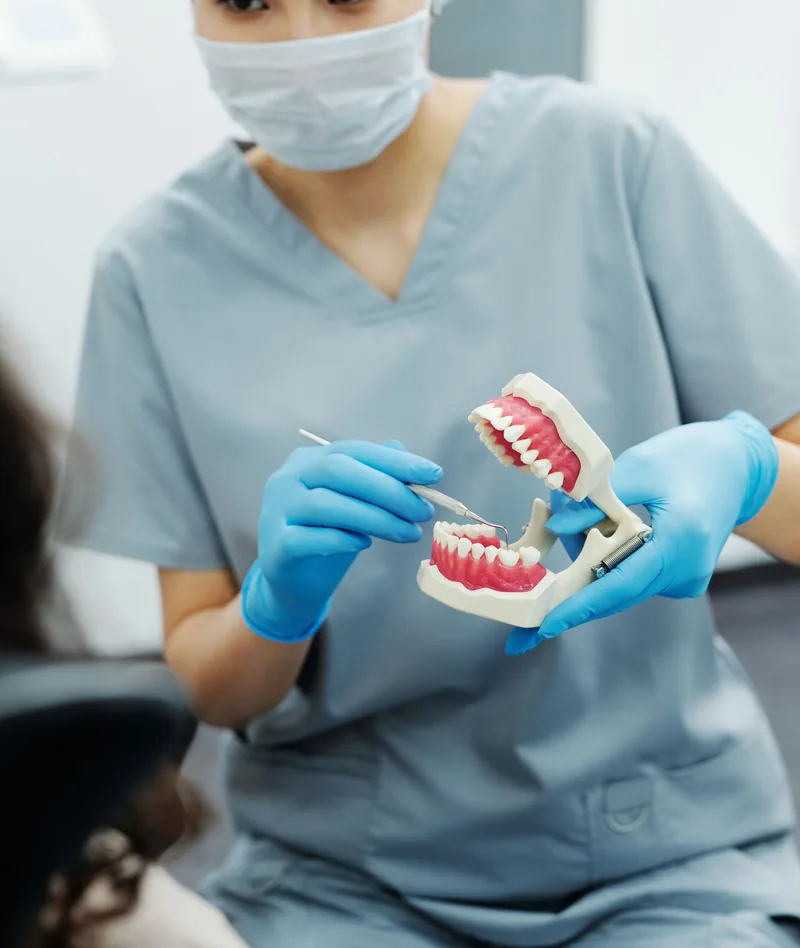
Dental hygienist carrying out a periodontal maintenance appointment

Keep treated gums stable. Book directly.

Marisa Lennie · GDC 252605

Bilton Road Dental Practice Book an appointment
Periodontal
maintenance
£95 · 45 min
Deep clean,
per quadrant
£130 · 60 min

The short answer

What is periodontal maintenance?

Periodontal maintenance is the ongoing supportive appointment that keeps treated gum disease stable: pockets are re-measured, returning deposits removed, and your home routine adjusted wherever readings have slipped.

Gum disease (periodontitis) can be brought under control, but it doesn’t simply go away once treated. Guidance on treating periodontitis describes maintenance, sometimes called supportive periodontal care, as the step that prevents things slipping back, with regular monitoring by the dental team alongside your care at home.

Each visit compares your readings with last time, in writing, so we can both see whether your gums are stable, improving or need more attention. If an area has relapsed, it’s treated there and then, or we plan a deep clean for that area.

What “stable” means

Reading your pocket chart.

At each visit I measure the gap between gum and tooth, in millimetres, at six points around every tooth. UK guidance sets a clear target for stability.

  1. 1–3mmShallow and healthyNo pocket to treat, as long as it doesn’t bleed.
  2. 4mmThe line to watchStable only if it doesn’t bleed when gently measured.
  3. 5+mmNeeds attentionDeeper pockets are cleaned below the gumline and rechecked.

Target: pockets of 4 mm or less, with no bleeding at the 4 mm sites. That’s what UK guidance describes as periodontal stability.

Source: SDCEP (opens in a new tab) and British Society of Periodontology (opens in a new tab).

Your appointment

What happens at each maintenance visit. Measured first, then treated.

Your gum readings are taken the same way every time, so we can compare them fairly from one visit to the next.

Book a maintenance visit

From the chair

What patients ask me once their gums are stable.

After gum treatment, most people want to know whether the hard work is over. This is how I explain what comes next.

“My gums are fine now. Do I still need to come so often?”

That’s a good sign, and it’s exactly why maintenance matters: it keeps them that way. Missed maintenance visits are one of the most common reasons gum disease returns. Once your readings stay stable, we can usually extend the time between visits.

Related: Early gum disease

“Why do my readings change from visit to visit?”

Small changes are normal: a bit of extra bleeding around one tooth, for example, can be down to a missed area at home or a recent cold. What I look for is the pattern over time, and that’s why we compare every visit in writing.

Related: Bleeding gums

“I have implants. Do they need anything different?”

Implants can be affected by gum inflammation too, so I check the gum around them and the margins of any crowns at every visit, and show you how to clean around them at home.

Related: Plaque & tartar

Choosing the right visit

Where maintenance fits in your gum care.

Maintenance follows active treatment. If you’re not sure where you are, book a check-up first and I’ll explain.

  • This page

    Periodontal Maintenance

    £9545 min

    The ongoing supportive appointment that keeps treated gum disease stable: pockets are re-measured, returning deposits removed, and your home routine adjusted wherever readings have slipped.

    Best for

    Patients who have completed deep cleaning, and anyone with a history of gum disease, dental implants or early tooth loss in the family.

    Book this visit
  • Active treatment

    Deep Clean (Root Surface Debridement)

    £130per quadrant · 60 min

    Active treatment below the gumline for pockets that are still too deep, one quarter of the mouth at a time.

    Best for

    Sites that haven’t settled, or that have slipped back since your last maintenance visit.

    About Deep Clean
  • Healthy gums

    Hygiene Clean

    £9545 min

    Routine preventive cleaning for gums with no history of periodontitis.

    Best for

    Patients whose gums have never needed active treatment and show no deep pockets.

    About Hygiene Clean

Honest expectations

What maintenance will, and won’t, do.

Maintenance is what keeps the benefit of gum treatment. It’s most effective when it’s regular and paired with good care at home.

It can

  • Spot early changes before they become a problem
  • Clean returning deposits below the gumline where needed
  • Compare your gum health over time, in writing
  • Help keep treated gum disease stable

It can’t

  • Reverse bone loss that has already happened
  • Keep gums stable without daily cleaning at home
  • Work as well if visits are missed or spaced too far apart
  • Replace specialist care if a site isn’t responding, though I’ll refer you on if needed

Is maintenance uncomfortable?

Mild sensitivity for a day or two is normal. If an area needs cleaning below the gumline, numbing options are available so it stays comfortable.

Tell me about any areas that feel tender beforehand, and we’ll take it at your pace.

Aftercare that keeps the result

  • Clean between your teeth every day, especially the sites we marked on your chart
  • Use a fluoride toothpaste twice a day and spit rather than rinse
  • If you smoke, ask about support to stop: it’s one of the biggest risk factors for gum disease
  • Tell me about new medicines, pregnancy or a diabetes diagnosis, which can all affect your gums

In line with SDCEP (opens in a new tab) and NHS (opens in a new tab).

How often will I need it?

  1. Every 3 monthsat first, after gum treatment
  2. Every 4–6 monthsonce your readings stay stable

Guidance on supportive periodontal care suggests intervals from 3 to 12 months, based on your gum health and risk.

Periodontal Maintenance FAQs

Common questions about periodontal maintenance.

Can’t see your question? Email me or call 020 8997 0933.

How much does periodontal maintenance cost?

A 45-minute periodontal maintenance visit is £95.

How often do I need periodontal maintenance?

Every 3 months at first, extending to every 4–6 months once your readings stay stable.

What’s the difference between maintenance and a hygiene clean?

A hygiene clean is preventive care for healthy gums. Maintenance is for people who have had gum disease: it includes re-measuring pockets, comparing readings with previous visits and cleaning below the gumline where needed.

What happens if I miss maintenance visits?

Missed maintenance visits are the most common reason gum disease returns, so keep to the interval your clinician sets for you.

Does maintenance hurt?

Mild sensitivity for a day or two is normal. If an area needs cleaning below the gumline, numbing options are available.

Do I need a referral from a dentist?

No. If you’ve had gum treatment elsewhere, you can book maintenance with me directly. Bring any previous pocket charts if you have them, so we can compare.

Marisa Lennie, Dental Hygienist & Therapist

Written & clinically reviewed by

Marisa Lennie

Dental Hygienist & Therapist · Dip DHDT (RCS England) · GDC 252605

Last reviewed

Marisa qualified through the Royal College of Surgeons of England, training clinically at King’s College Hospital, London, and is an Approved Education Supervisor for trainee hygienists & therapists. Supportive periodontal care is a core part of the GDC scope of practice for dental hygienists and therapists, and a large part of Marisa’s week at Bilton Road Dental Practice.

Sources & guidance

  1. British Society of Periodontology: BPE guidelines 2019
  2. SDCEP: Assessing treatment response, clinical parameters Applies the British Society of Periodontology’s S3 guidance
  3. SDCEP: Prevention and treatment of periodontal diseases, the stepwise approach Applies the British Society of Periodontology’s S3 guidance
  4. British Society of Periodontology: UK guidelines for the treatment of periodontitis
  5. NHS: Gum disease Page reviewed April 2026
  6. General Dental Council: Direct access

This page describes supportive gum care in general. It isn’t a substitute for your own gum assessment. Gums that suddenly become very sore and swollen, or a tooth that feels loose, need an urgent dental appointment.

Keep your gums stable. Book your next maintenance visit.

Call the practice or send an email to book your appointment.

Bilton Road Dental Practice · 56 Bilton Rd, Perivale, Greenford, London, UB6 7DH

Periodontal maintenance in Perivale (UB6), a short trip from Greenford, Alperton, Sudbury, Hanwell and Northolt.

Please note

Before you continue

This website is currently under construction. While we try to keep everything accurate and up to date, some content, treatment details or information may be incomplete or out of date. Please contact the practice directly to confirm anything important before making decisions about your care.

Book an appointment

Send a request and I’ll get back to you by email or phone to arrange a time. Prefer to talk? Call the practice on 020 8997 0933.

Days and times that suit you are helpful. Please don’t include medical details; we’ll go through your health at the appointment.

Your details are used only to reply to you. Privacy and cookie policy (PDF, opens in a new tab)